
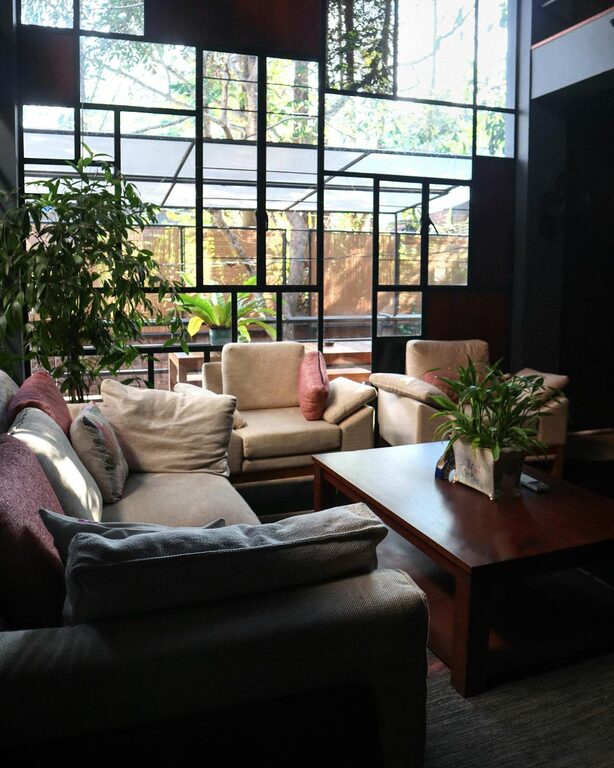
Creating a warm, cosy, and inviting living room is an achievable goal that can greatly enhance your home experience. Whether you enjoy quiet evenings alone or lively gatherings with friends and family, a comfortable living space sets the right mood and encourages relaxation. This guide offers practical tips and ideas to help you design a living room that feels both stylish and welcoming.
Plan Your Layout Thoughtfully
A cosy living room starts with a well-planned layout. Consider the size and shape of your room and arrange furniture to promote easy conversation and comfort.
– Create conversational zones: Place sofas and chairs close enough to encourage interaction but allow free movement.
– Avoid clutter: Ensure there is enough open space to prevent the room from feeling cramped.
– Focal point: Arrange seating around a natural focal point, such as a fireplace, TV, or a large window with a view.
Taking time to plan your layout will make the room feel more balanced and inviting.
Choose Comfortable Furniture
Comfort is key to a cosy living room.
– Soft sofas and armchairs: Opt for seating with plush cushions, good back support, and inviting fabrics like cotton, velvet, or soft linen.
– Layer with cushions and throws: Add extra layers of cushions and warm throw blankets for both comfort and visual warmth.
– Consider multi-purpose pieces: Ottoman footrests or pouffes can double as extra seating or side tables, adding flexibility to your space.
Investing in comfortable furniture encourages people to linger and enjoy your living room.
Use Warm and Soothing Colours
Colour plays a big role in creating a cosy atmosphere.
– Warm tones: Shades like soft beige, warm greys, creamy whites, and muted earth tones can make your room feel inviting.
– Accent colours: Use richer tones such as deep greens, burnt orange, mustard yellow or navy blue on cushions, rugs, or feature walls to add depth and character.
– Avoid harsh contrasts: Stick to complementary shades for a harmonious look.
These colours help produce a relaxing and welcoming vibe in your living room.
Incorporate Soft Lighting
Lighting dramatically affects the room’s atmosphere.
– Layer your lighting: Use a combination of ambient (general), task, and accent lighting.
– Warm bulbs: Choose bulbs that emit a warm, soft light rather than harsh, cool tones.
– Table and floor lamps: These provide gentle pools of light, perfect for reading or creating ambience in the evening.
– Candles: A few carefully placed candles can add a lovely flicker of warmth and romance.
Soft lighting invites relaxation and adds to the cosy feeling.
Add Textures for Depth and Interest
Introducing different textures gives the room a tactile appeal and makes it feel more lived-in and comfortable.
– Rugs: Layer rugs on wooden or tiled floors to add warmth underfoot and define different areas.
– Soft textiles: Use a mix of materials like wool, fleece, velvet, and knitted fabrics in cushions and throws.
– Natural elements: Incorporate wood, wicker, or rattan furniture or accessories for an organic feel.
– Curtains: Choose lined curtains or thick drapes to insulate the room and soften windows.
Mixing textures contributes to a cosy, multidimensional living space.
Personalise with Accessories and Art
Your living room should express your personality and style.
– Family photographs and keepsakes: Display cherished memories on shelves or walls to make the space feel uniquely yours.
– Artwork: Select calming or uplifting pieces that resonate with your taste.
– Books and plants: Shelves filled with books invite reading, while indoor plants add life, improve air quality, and create a fresh feel.
– Decorative items: Use bowls, vases, and ornaments in natural tones or handmade materials for added character.
Thoughtful accessories make a living room warm and welcoming.
Keep It Tidy and Organised
A clutter-free room naturally feels more comfortable.
– Storage solutions: Use baskets, cabinets, or storage ottomans to keep everyday items organised but accessible.
– Regular decluttering: Periodically review what you keep in the living room and remove anything that no longer serves a purpose.
– Clear surfaces: Avoid overcrowding tables and shelves.
A neat space reduces stress and enhances the inviting atmosphere.
Consider Practical Elements
Beyond looks, consider practical details that support daily living.
– Temperature control: Add rugs and curtains to retain warmth during colder months and consider fans or natural ventilation for warmer days.
– Noise control: Soft furnishings absorb sound, helping the room feel peaceful.
– Durability: Choose fabrics and furniture that suit your lifestyle, especially if you have children or pets.
These practical touches help sustain a cosy and functional living room.
—
Creating a cosy and inviting living room is about combining comfort, style, and personality in a space where you and your guests can feel truly at ease. By thoughtfully planning your layout, choosing the right furniture and colours, layering textures, and adding personal touches, your living room will soon become your favourite place in the home. Remember, the key is to create a space that feels welcoming to you. Happy decorating!