
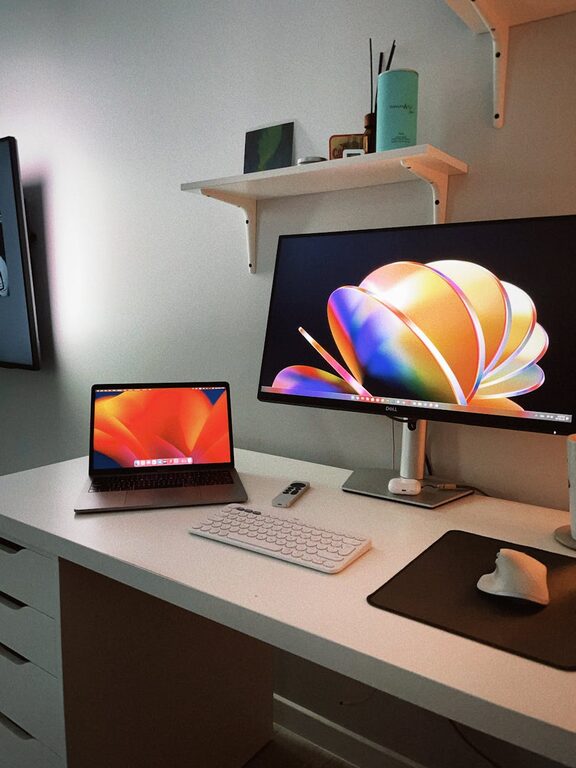
Creating a home office that feels both calming and productive is essential for anyone working remotely or running a business from home. A well-organised, peaceful workspace can improve concentration, reduce stress, and help maintain a healthy work-life balance. In this post, we’ll explore practical tips to help you design a home office environment that encourages productivity and calm.
Why a Calm and Productive Workspace Matters
Your environment plays a big role in your work performance and mental well-being. A cluttered or noisy space can increase stress and make it hard to focus, while a tidy, thoughtfully arranged area helps you stay motivated and relaxed throughout the day.
Choosing the Right Location for Your Office
Start by picking the best spot in your home for your office. Ideally, this should be a quiet area away from household distractions. If space is limited, consider a corner of a living room or bedroom, but try to separate work from relaxation zones as much as possible.
Tips to Choose a Location:
– Select a spot with good natural light to enhance mood and alertness.
– Avoid areas with heavy foot traffic or loud appliances.
– Ensure there is enough space for your desk, chair, and storage needs.
Prioritise Comfort with Furniture
Comfort is key when you’re spending hours at your desk. Invest in an ergonomic chair that supports your back and promotes good posture. A desk at the right height will prevent strain and improve comfort.
What to Consider:
– An adjustable chair with lumbar support.
– A desk that allows your elbows to rest at 90 degrees.
– Space for both a computer and additional materials like notebooks or paperwork.
Organise Your Space to Reduce Clutter
A cluttered workspace can lead to a cluttered mind. Use storage solutions like shelves, drawers, and filing systems to keep your desk clear. Only keep essentials on your desktop to maintain focus.
Organisation Tips:
– Use labelled storage boxes or trays.
– Keep cables tidy with clips or sleeves.
– Create a “daily essentials” zone on your desk.
Use Colours and Lighting to Create a Calm Atmosphere
Colours affect mood, so choose shades that promote calm and focus. Soft blues, greens, and neutrals are popular choices for creating a peaceful environment.
Natural light improves energy and reduces eye strain, so position your desk near a window if possible. When natural light isn’t sufficient, invest in good-quality, adjustable lighting to prevent fatigue.
Lighting Tips:
– Use a combination of ambient and task lighting.
– Avoid harsh overhead lights; opt for desk lamps with warm light.
– Consider blinds or curtains to control glare.
Incorporate Nature and Personal Touches
Bringing elements of nature into your office can boost creativity and reduce stress. Small plants add life without taking up much space.
Personalise your work area with meaningful objects like photos, artwork, or inspirational quotes, but avoid overcrowding to keep the calm vibe.
Manage Noise for Better Concentration
Noise can disrupt your flow, so find ways to minimise distractions. Noise-cancelling headphones or white noise machines can help, especially if you share your home with others.
If possible, soundproof your office by adding rugs, curtains, or weather stripping around doors and windows.
Establish Boundaries and Routine
A strong home office environment isn’t just physical – it’s also about habits. Set clear work hours and take regular breaks to avoid burnout. Communicate your schedule to family or housemates to minimise interruptions.
Productivity Boosters:
– Use timers or apps to manage work sessions.
– Start your day with a to-do list to stay organised.
– Take short walks or stretch breaks to refresh your mind.
Keep Technology Organised and Up-to-Date
Reliable technology is essential for a smooth workday. Ensure your computer, internet connection, and other tools are up to date and operating well.
Use wireless devices to reduce cable clutter, and regularly back up important files to avoid last-minute stress.
Final Thoughts
Designing a home office that balances calm and productivity takes thought and effort but makes a significant difference in your daily work experience. By selecting the right location, investing in comfort, managing clutter, and creating an inspiring atmosphere, you can create a space where you feel motivated and at ease every day.
Remember, your home office should reflect your needs and preferences—feel free to experiment with different setups until you find what works best for you.